


Comparison of Polyurethane and Acrylic Resins in Coatings Industry
Technical, Performance, and Application-Based Analysis
Introduction
Selecting the appropriate resin system is a critical factor in coating formulation. Among various options, polyurethane and acrylic resins are two of the most widely used technologies in the coatings industry. Each offers distinct advantages and limitations depending on performance requirements.
This article provides a technical and application-oriented comparison of polyurethane and acrylic systems to support informed formulation decisions.
- Polyurethane Resins Overview
Polyurethanes are formed through reactions between isocyanates and polyols, resulting in coatings with exceptional mechanical and chemical resistance.
Key Properties:
- Excellent abrasion and impact resistance
- Superior adhesion to various substrates
- High chemical resistance
- Adjustable flexibility
- Long-term durability
- Acrylic Resins Overview
Acrylic resins are based on acrylic and methacrylic monomers and are well known for their UV stability and gloss retention.
Key Properties:
- Outstanding UV resistance
- Long-lasting color and gloss
- Fast drying
- Easier formulation compared to polyurethanes
- Good compatibility with waterborne systems
- Technical Comparison
|
Property |
Polyurethane |
Acrylic |
|
Mechanical resistance |
Very high |
Moderate |
|
UV resistance |
Good |
Excellent |
|
Chemical resistance |
High |
Moderate |
|
Flexibility |
Adjustable |
Limited |
|
Application ease |
Moderate |
High |
|
Cost |
Higher |
More economical |
- Performance in Different Applications
Automotive Coatings
- Polyurethanes: Ideal for high-durability topcoats
- Acrylics: Excellent for gloss and color retention
Architectural Coatings
- Acrylics: Preferred for exterior facades
- Polyurethanes: Suitable for floors and high-traffic areas
Industrial & Epoxy Systems
Polyurethanes are commonly used as protective topcoats over epoxy primers.
Coil & Metal Coatings
Acrylics are favored due to fast curing and uniform film formation.
- Advantages and Limitations Summary
Polyurethane
* High durability
* Moisture sensitivity during application
* Higher cost
Acrylic
* Excellent color stability
* Easy application
* Lower mechanical resistance
Conclusion
Both polyurethane and acrylic resins play essential roles in the coatings industry. Polyurethanes are ideal for demanding environments, while acrylics offer superior aesthetics and economic benefits. Proper understanding of their differences enables optimized coating formulations.

سوالات متدوال
نقش اصلی افزودنیها (Additives) در فرمولاسیون رنگ چیست؟
افزودنیها با وجود اینکه درصد کمی از فرمولاسیون را تشکیل میدهند، نقشی حیاتی در بهبود خواص رنگ دارند. این مواد وظایفی نظیر پایدارسازی رنگدانهها، کنترل غلظت (رئولوژی)، جلوگیری از ایجاد کف، بهبود چسبندگی و افزایش مقاومت در برابر عوامل محیطی را بر عهده دارند.
علت ایجاد حباب یا کف در هنگام تولید یا اجرای رنگ چیست و چگونه رفع میشود؟
ایجاد کف معمولاً ناشی از فرآیند اختلاط سریع یا استفاده از سورفکتانتهاست. برای رفع این مشکل از ضدکفها (Defoamers) استفاده میشود. ضدکفهای ادِکس با کاهش تنش سطحی، حبابهای هوا را از بین برده و از ایجاد نقصهای ظاهری در فیلم نهایی رنگ جلوگیری میکنند.
چرا پس از مدتی رنگدانه در ظرف رنگ کلوخه میشود؟
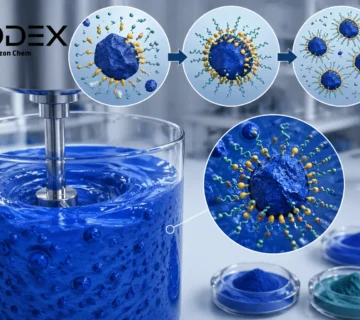
علت اصلی این پدیده، عدم پایداری دیسپرسیون رنگدانه است. استفاده از عوامل دیسپرسکننده (Dispersing Agents) تخصصی باعث ایجاد ممانعت فضایی یا بارهای الکتریکی بین ذرات شده و از کلوخه شدن و تهنشینی آنها جلوگیری میکند تا پایداری انبارداری محصول افزایش یابد.
تفاوت بین افزودنیهای پایه آب و پایه حلال در چیست؟
افزودنیها بر اساس ساختار شیمیایی خود برای محیطهای مختلف طراحی میشوند. افزودنیهای پایه آب باید قابلیت انحلال یا دیسپرس شدن در آب را داشته باشند، در حالی که در سیستمهای پایه حلال، سازگاری با رزینهای آلکیدی، اپوکسی یا پلیاورتان اولویت دارد. انتخاب افزودنی اشتباه میتواند منجر به کدورت یا جداشدگی رنگ شود.
چگونه میتوان براقیت و یکنواختی سطح رنگ (Leveling) را بهبود داد؟
برای رسیدن به سطحی صاف و بدون اثر قلممو یا غلطک، از افزودنیهای جریاندهنده و همترازکننده (Leveling Agents) استفاده میشود. این مواد با اصلاح تنش سطحی، به خیسشوندگی بهتر سطح کمک کرده و از ایجاد نقصهایی مانند “چشم ماهی” جلوگیری میکنند.


بدون نظر