


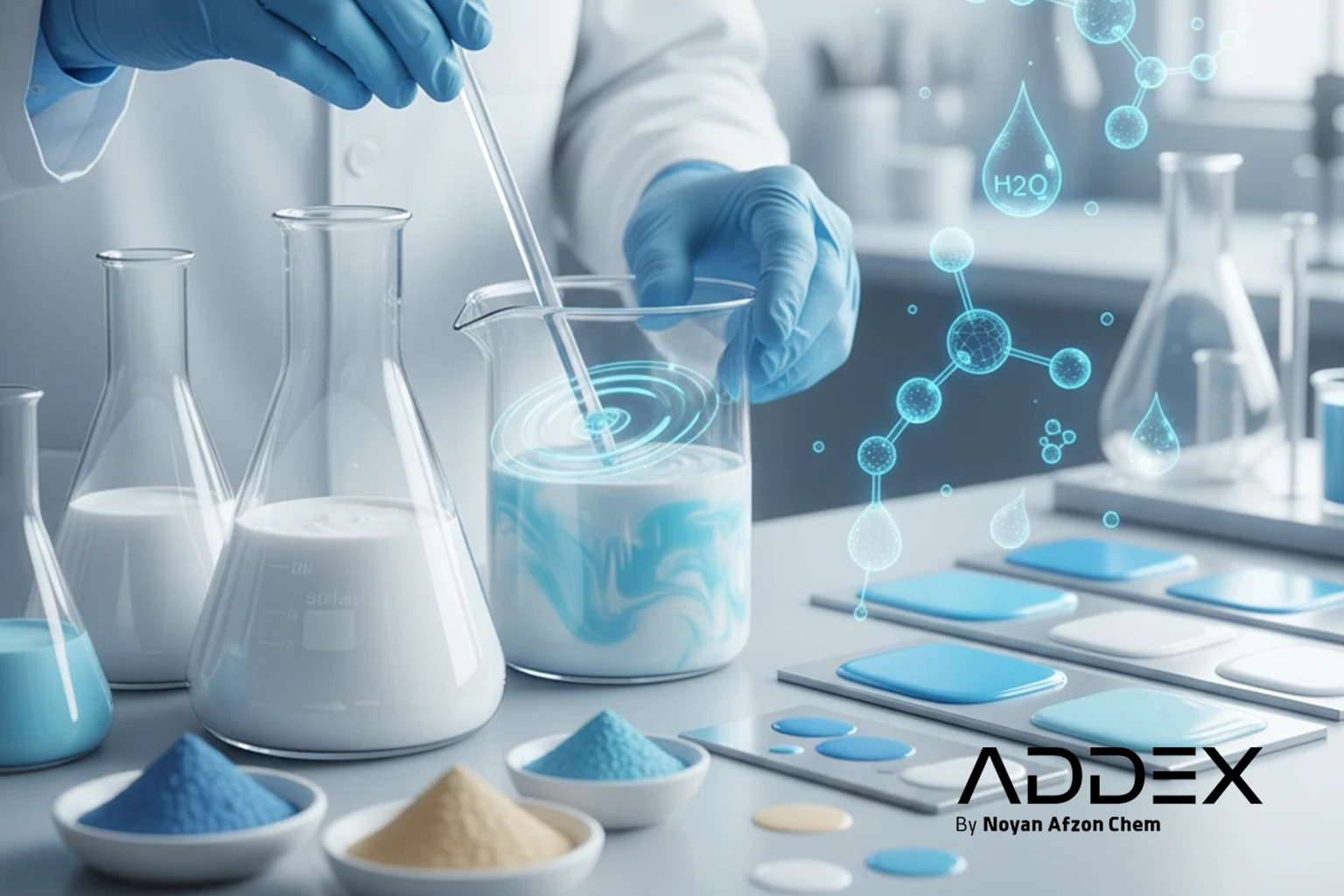
Principles of Formulating Water-Based Paints: From Raw Material Selection to Application Behavior Control
Introduction
Over the past few decades, water-based paints have become one of the fastest‑growing segments of the coatings industry. Their low VOC content, environmental compatibility, and improved safety for end‑users have significantly increased their popularity. Yet, formulating a water-based system is often far more complex than working with solventborne paints. The inherent polarity of water, the sensitive interaction between additives and polymers, and the challenges of achieving stable dispersion all contribute to this complexity.
This article provides a practical and up‑to‑date technical guide for professionals involved in production, R&D, formulation, and quality control of water-based coatings—helping them understand the science behind these systems and apply it in real manufacturing scenarios.
- Understanding the Behavior of Water in Paint Formulation
Unlike organic solvents with relatively simple structures, water is a highly polar molecule with strong hydrogen bonding behavior. This leads to unique interactions inside the formulation.
1.1. The role of polarity in system stability
Water affects the coating system through several mechanisms:
- Surface adsorption on pigments
- Formation of hydrogen‑bonded networks
- Viscosity sensitivity under varying shear conditions
- Possible flocculation or settling when the system destabilizes
1.2. Importance of co‑solvents
Co‑solvents help balance water’s polarity. Their roles include:
- Improving wetting
- Stabilizing viscosity
- Enhancing film formation of the binder
- Binder Selection and Its Impact on Final Performance
The binder forms the backbone of the paint film and has the strongest influence on performance.
2.1. Acrylic emulsions
Characteristics:
- High stability
- Excellent UV resistance
- Good film formation across varied climates
2.2. Styrene–acrylics
Advantages:
- Cost‑effective
- Improved mechanical strength
Limitations:
- Lower UV durability
2.3. Waterborne polyurethanes
Applications:
- High‑wear coatings
- Enhanced clarity
- Strong adhesion on diverse substrates
- Pigment Selection & Dispersion Quality
Achieving stable pigment dispersion in waterborne systems demands careful control.
3.1. Factors affecting dispersion
- Surface treatment of pigments
- Surface charge
- Compatibility with dispersants
- Milling energy and duration
3.2. Organic vs inorganic pigments
Organic pigments:
- Higher tinting strength
- Better chroma
But:
- Harder to disperse
Inorganic pigments:
- More stable
- Easier to incorporate
But:
- Lower gloss
- The Critical Role of Additives
Water-based coatings rely heavily on additives to control system behavior.
4.1. Wetting and dispersing agents
Used to prevent:
- Flocculation
- Sedimentation
- Tint strength loss
4.2. Rheology modifiers
Essential for:
- Balancing leveling and sag
- Achieving controlled shear-thinning behavior
- Stabilizing film formation
4.3. Defoamers
Correct selection prevents defects such as:
- Fish eyes
- Cratering
- Gloss reduction
- Film Formation and Drying Mechanism
Waterborne film formation occurs in three main stages:
5.1. Water evaporation
- Polymer particle concentration rises
- Pigments move closer together
5.2. Polymer particle packing
- Viscosity builds
- Film structure begins to form
5.3. Coalescence and final film development
- Polymer–polymer bonds develop
- Final mechanical and chemical properties appear
- Common Challenges and Solutions in Water-Based Coatings
6.1. Excessive foaming
Causes:
- Surfactants in emulsions
- Low initial viscosity
- High shear mixing
Solutions:
- Use compatible defoamers
- Add in steps during production
6.2. Pigment settling
Solutions:
- Appropriate rheology modifiers
- Strong dispersants
6.3. Poor film formation
Solutions:
- Use binders with lower MFFT
- Optimize co‑solvent package
- Future Trends in Water-Based Formulation
- Hybrid PU–Acrylic binders
- Smart, low‑dosage additives
- Zero‑VOC technologies
- Nano‑pigments for higher stability
- Enhanced UV durability without solvents
Conclusion
Formulating a water-based paint requires deep understanding of how water behaves inside the system and how each ingredient interacts with it. A successful formulation balances resin selection, pigment dispersion, additive functionality, and application performance. This guide aimed to provide a clear, practical, and technically rich overview to support formulators and manufacturers in creating stable, durable, and high‑performance waterborne coatings.
سوالات متدوال
نقش اصلی افزودنیها (Additives) در فرمولاسیون رنگ چیست؟
افزودنیها با وجود اینکه درصد کمی از فرمولاسیون را تشکیل میدهند، نقشی حیاتی در بهبود خواص رنگ دارند. این مواد وظایفی نظیر پایدارسازی رنگدانهها، کنترل غلظت (رئولوژی)، جلوگیری از ایجاد کف، بهبود چسبندگی و افزایش مقاومت در برابر عوامل محیطی را بر عهده دارند.
علت ایجاد حباب یا کف در هنگام تولید یا اجرای رنگ چیست و چگونه رفع میشود؟
ایجاد کف معمولاً ناشی از فرآیند اختلاط سریع یا استفاده از سورفکتانتهاست. برای رفع این مشکل از ضدکفها (Defoamers) استفاده میشود. ضدکفهای ادِکس با کاهش تنش سطحی، حبابهای هوا را از بین برده و از ایجاد نقصهای ظاهری در فیلم نهایی رنگ جلوگیری میکنند.
چرا پس از مدتی رنگدانه در ظرف رنگ کلوخه میشود؟
علت اصلی این پدیده، عدم پایداری دیسپرسیون رنگدانه است. استفاده از عوامل دیسپرسکننده (Dispersing Agents) تخصصی باعث ایجاد ممانعت فضایی یا بارهای الکتریکی بین ذرات شده و از کلوخه شدن و تهنشینی آنها جلوگیری میکند تا پایداری انبارداری محصول افزایش یابد.
تفاوت بین افزودنیهای پایه آب و پایه حلال در چیست؟
افزودنیها بر اساس ساختار شیمیایی خود برای محیطهای مختلف طراحی میشوند. افزودنیهای پایه آب باید قابلیت انحلال یا دیسپرس شدن در آب را داشته باشند، در حالی که در سیستمهای پایه حلال، سازگاری با رزینهای آلکیدی، اپوکسی یا پلیاورتان اولویت دارد. انتخاب افزودنی اشتباه میتواند منجر به کدورت یا جداشدگی رنگ شود.
چگونه میتوان براقیت و یکنواختی سطح رنگ (Leveling) را بهبود داد؟
برای رسیدن به سطحی صاف و بدون اثر قلممو یا غلطک، از افزودنیهای جریاندهنده و همترازکننده (Leveling Agents) استفاده میشود. این مواد با اصلاح تنش سطحی، به خیسشوندگی بهتر سطح کمک کرده و از ایجاد نقصهایی مانند “چشم ماهی” جلوگیری میکنند.


بدون نظر